Yala National Park is one of the best places in Sri Lanka to see wildlife, and a Japanese guide can help Japanese-speaking tourists have a better and easier safari experience. This guide is all about planning a safari, seeing the best wildlife, and giving Japanese tourists useful tips.
A guide to Yala for Japanese tourists
Yala is a great place for Japanese-speaking tourists to see Sri Lanka’s wide range of animals, such as leopards, elephants, and rare birds. Also, a Japanese guide makes sure that communication goes smoothly, that everyone is safe, and that you get detailed information about how animals act and the rules of the park.
Making plans for a Yala safari
It is advisable to have a morning and afternoon safari because the weather is cooler and the animals will be more active. Getting a licensed Japanese-speaking guide will assist you in moving around the park, offer you tips, and help you make the most out of your safari route. This will increase your chances of seeing leopards, elephants, and crocodiles in a safe manner.
Wildlife highlights in Yala
Leopards – Often seen resting on rocks or moving along trails
Elephants – Frequently spotted in herds across open grasslands
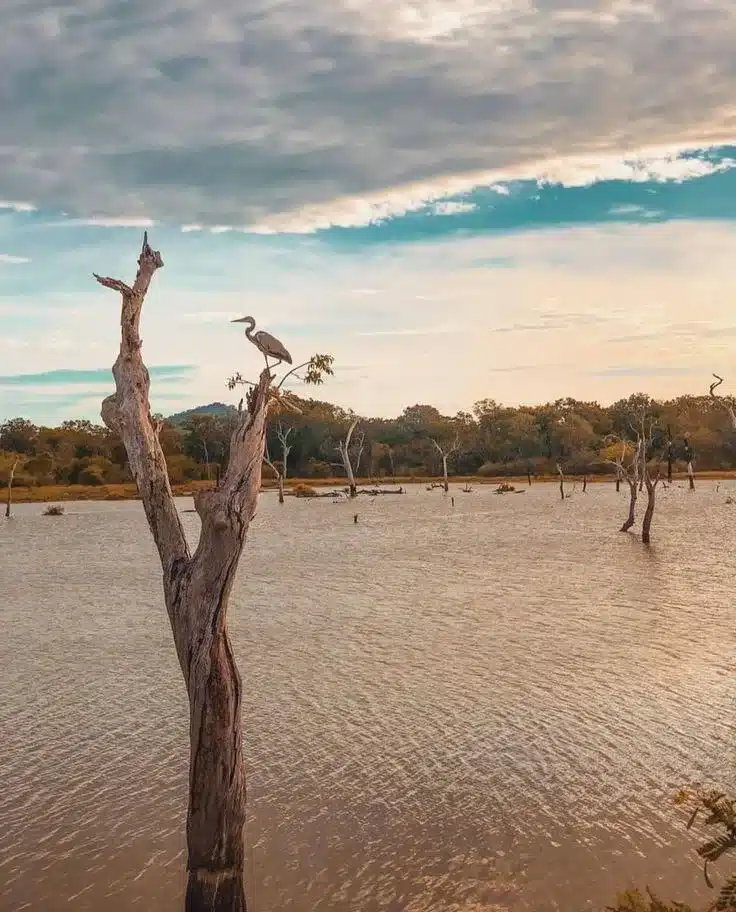
Birds that live there include peacocks, eagles, waterbirds, and birds that move around.
Other animals include deer, buffalo, jackals, crocodiles, and sometimes sloth bears.
A Japanese guide makes sure that interactions are ethical and that wildlife is not disturbed too much.
Safari vehicle options
4×4 jeeps with pop-up roofs are standard for Yala safaris. Japanese travelers can select private jeeps for uninterrupted photography or shared jeeps for cost efficiency. Private safaris are ideal for families or small groups seeking flexibility.
Tips for Japanese travelers
Bring binoculars and a camera for wildlife photography
Wear neutral-colored clothing to avoid startling animals
Carry water, sunscreen, and hats for sun protection
Confirm pickup, drop-off, and safari timings with your guide or resort
Conclusion
Hiring a Japanese guide enriches the Yala safari experience through local expertise, safety, and clear communication. Japanese-speaking travelers can enjoy close wildlife encounters, better photographic opportunities, and a seamless safari journey.



 English
  German