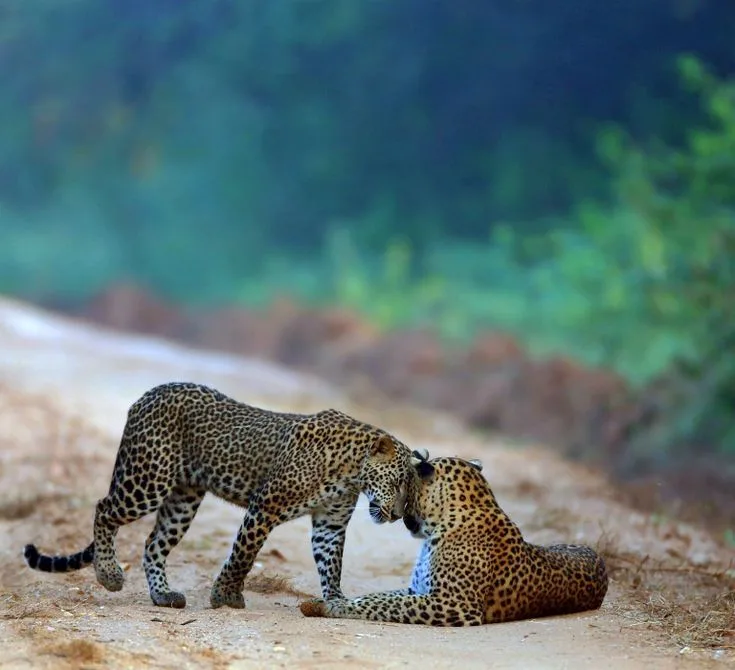
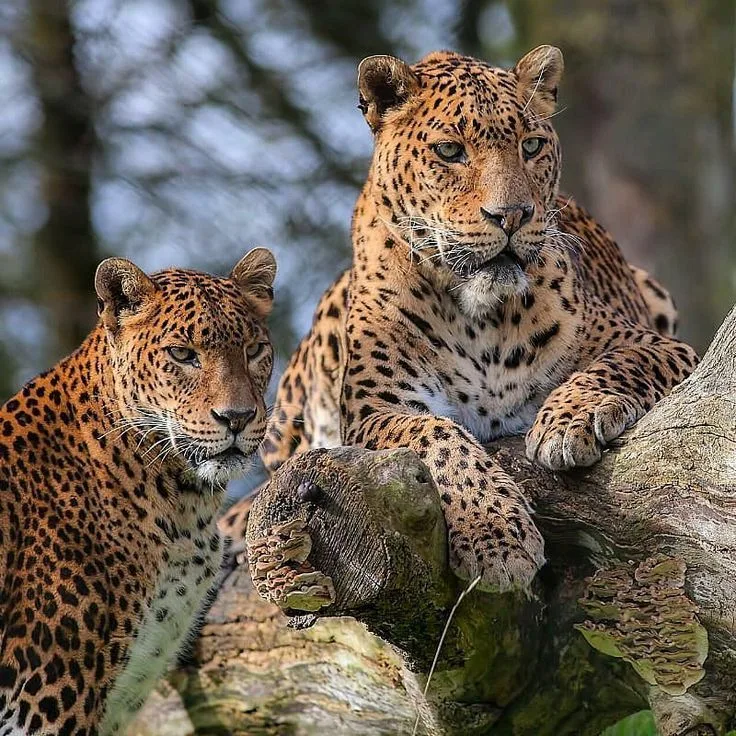
Sri Lanka has many different types of forests. These forests are home to many different kinds of animals and plants. Yala is an important part of this network of forests.
Sri Lanka’s most important forest areas
Forests in the wet zone
The southwest is where the wet zone forests are. It rains a lot there. Sinharaja and other rainforests belong here. There are a lot of tall trees and thick plants.
Forests in dry areas
A lot of Sri Lanka is covered by dry zone forests. This is where Yala National Park is located. These forests have open woodlands and scrubland. Seasonal water sources help wildlife thrive.
Forests in the middle zone
Forests that are in between wet and dry zones are called intermediate forests. The amount of rain is still moderate. These woods have a mix of plants.
Forests in the mountains
There are montane forests in the highlands. Horton Plains is a good example. The trees are shorter and covered in moss. This area is known for its cool weather.
The kind of forest in Yala National Park
Yala is in the dry zone forest area. There are monsoon forests and thorn scrub in it. There are grasslands and lagoons all over the park.
What makes the Yala forests so important
Elephants and leopards live in the Yala forests. They give shelter and water. Changes in the seasons help keep biodiversity.
Things that could hurt Sri Lanka’s forests
Deforestation is a threat to forest cover. The weather changes because of climate change. Habitat loss is caused by people.
Sri Lanka’s efforts to protect its forests
Protected areas help keep things from getting worse. National parks protect forested areas. Yala is a big part of conservation efforts.
Best places to see animals in the woods
Sinharaja Forest Reserve and Yala National Park
National Park of Wilpattu
Forest Reserve of Knuckles
Final Thoughts
The climate and altitude of Sri Lanka’s forest areas are different. Yala is the dry zone forest system. Keeping these forests safe will help keep biodiversity for a long time.