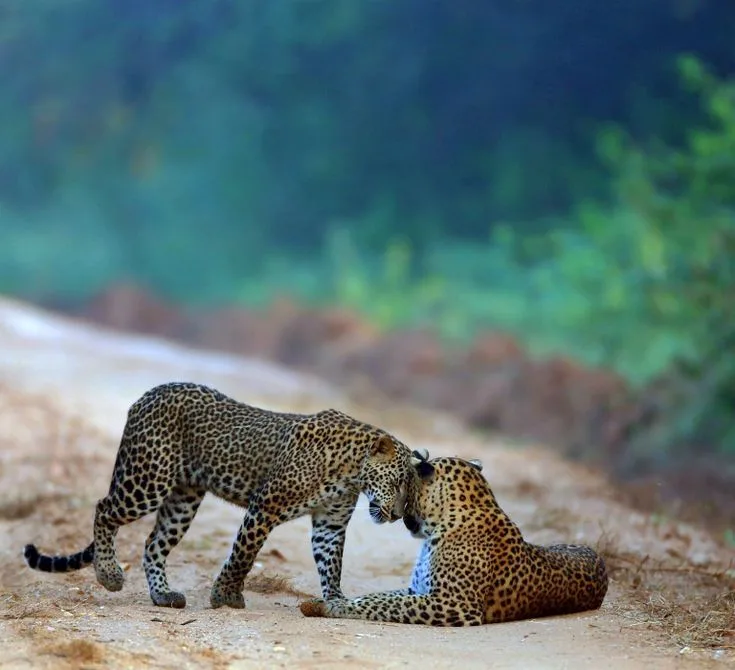
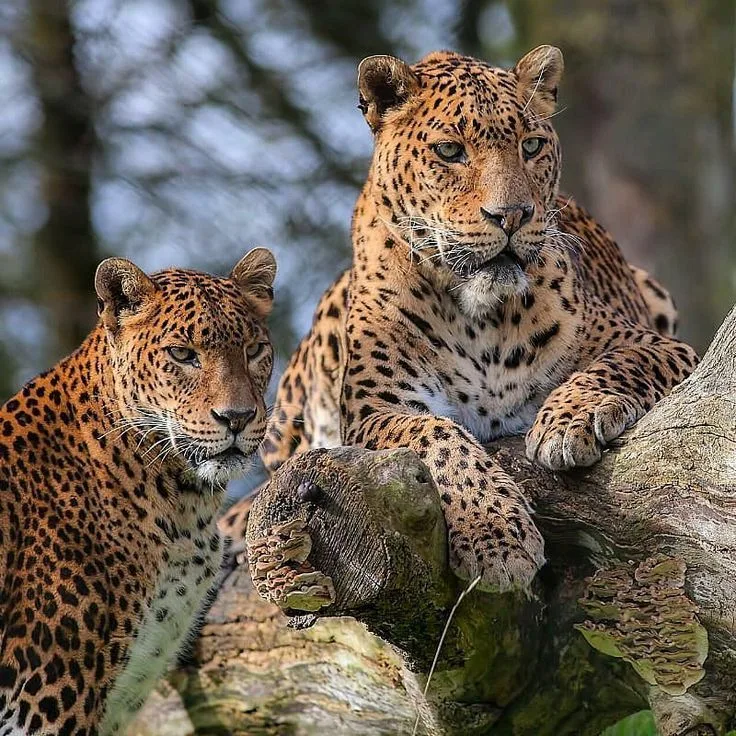
Safari in Sri Lanka offers rich wildlife experiences. The island has many national parks. Visitors enjoy close animal sightings and scenic landscapes.
Why Sri Lanka is ideal for safari
Compact travel distances
High wildlife density
Diverse ecosystems
Year-round safari options
Major safari destinations
- Yala National Park
Famous for leopards
Good elephant sightings
Open landscapes - Udawalawe National Park
Best for elephants
Open grasslands
Easy animal spotting - Wilpattu National Park
Largest national park
Natural villu lakes
Calm safari atmosphere - Minneriya National Park
Known for Elephant Gathering
Seasonal wildlife spectacle
Dry season attraction - Bundala National Park
Top birdwatching park
Wetlands and lagoons
Migratory birds - Kumana National Park
Bird sanctuary
Forests and wetlands
Quiet safari routes - Gal Oya National Park
Boat safari experience
Swimming elephants
Unique water-based safaris
Wildlife seen on Sri Lanka safaris
- Mammals
Leopards
Elephants
Sloth bears
Deer species
Buffalo - Birds
Peacocks
Eagles
Storks
Pelicans
Kingfishers - Reptiles
Crocodiles
Monitor lizards
Snakes
Safari types in Sri Lanka
- Jeep safari
Most common option
Runs morning and evening - Boat safari
Available in select parks
Offers unique perspectives - Walking safaris
Limited and guided
Available in specific zones
Best time for safari in Sri Lanka
Dry season gives better sightings.
February to July works best for most parks.
Morning and evening safaris are ideal.
Safari costs overview
Costs depend on park and jeep type.
Shared jeeps cost less.
Private safaris cost more.
Safari rules and ethics
Maintain distance from animals
Do not feed wildlife
Follow park regulations
Respect nature
Tips for first-time safari travelers
Wear neutral clothing
Carry water and sunscreen
Use binoculars
Choose experienced guides
Conclusion
Safari in Sri Lanka offers diverse wildlife and landscapes. Each park provides a unique experience. Proper planning ensures memorable and responsible safari adventures.