Sri Lanka’s national parks protect the island’s diverse wildlife and beautiful natural scenery. Travelers can see wildlife, scenery, and culture in short distances because the country is small.
Getting to know the national park system
The network of protected areas is very important for eco-tourism and conservation. To help wildlife and future generations, forests, wetlands, grasslands, and coastal areas are protected. Sri Lanka’s national park management also promotes responsible travel and education.
Top national parks in Sri Lanka
Yala National Park is the most well-known place to go because you can see leopards and a wide range of habitats there.
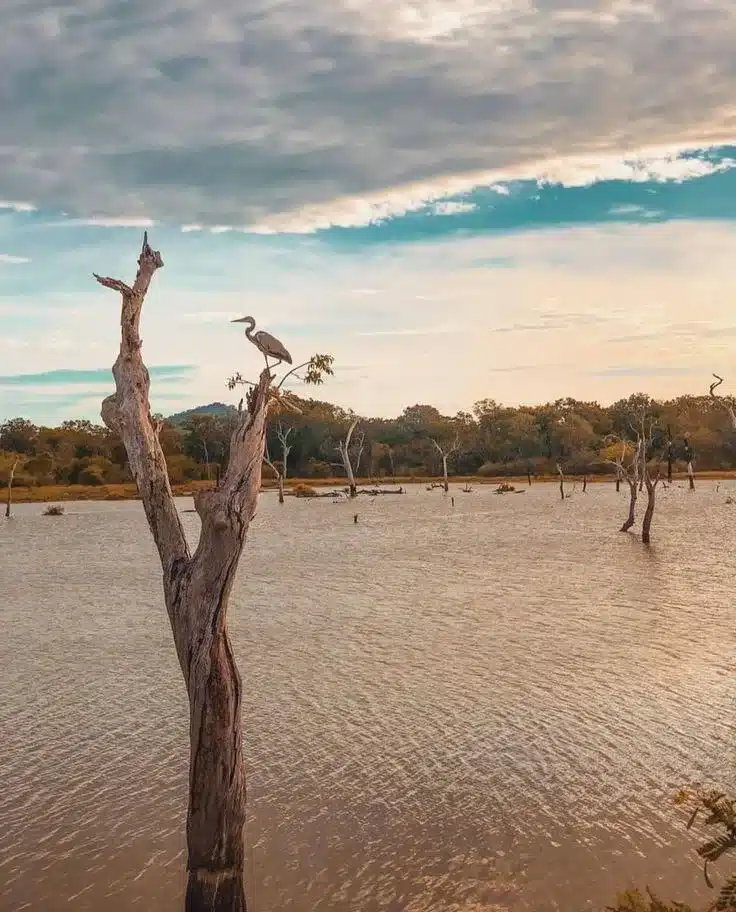
Wilpattu National Park is the biggest park and has natural lakes that make for a quieter safari.
Udawalawe National Park is a great place to see elephants all year long.
Minneriya and Kaudulla are famous for their seasonal elephant gatherings.
Horton Plains has cloud forests, grasslands, and views that will take your breath away.
Animals and plants that are different from each other
A wide range of animals live in these protected areas, including elephants, leopards, sloth bears, deer, crocodiles, and many bird species. Reptiles and amphibians thrive in wet zones, while grasslands support grazing animals. This variety makes each Sri Lanka national park unique in character.
Best time to visit
The dry season generally offers better wildlife sightings, especially when animals gather near water sources. However, some parks remain active year-round depending on rainfall and habitat type. Planning visits by region improves the overall experience.
Activities and visitor experiences
Visitors can enjoy jeep safaris, birdwatching, nature walks, photography, and scenic viewpoints. Guided tours improve safety and wildlife spotting while reducing environmental impact. These experiences highlight the value of SL national park conservation.
Conclusion
In conclusion, Sri Lanka national park destinations showcase the country’s natural beauty and wildlife richness. From famous safari zones to highland reserves, these protected areas offer meaningful travel experiences while supporting long-term conservation efforts.



 English
  German