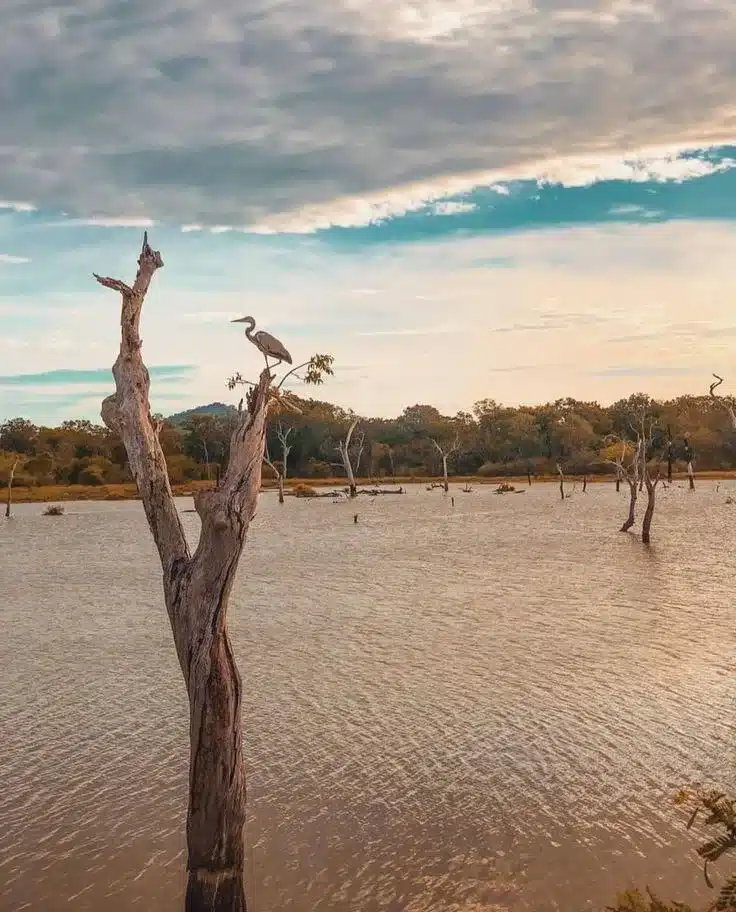
Yala Block 1 is the main zone of Yala National Park. It attracts the most visitors. This zone offers the best chances to see wildlife, especially leopards.
Why Block 1 is the main zone
It has the highest tourist access.
It has open landscapes and lakes.
Wildlife sightings stay frequent.
Road networks are well developed.
Best wildlife in Block 1
Leopards
Elephants
Spotted deer
Sambar deer
Wild boar
Crocodiles
Birds and waterfowl
Best safari entrances for Block 1
Palatupana entrance is the most popular.
Katagamuwa entrance gives quieter routes.
Galge entrance provides calm safari drives.
Best time to visit Block 1
Morning safaris give the best sightings.
5:30 AM to 9:00 AM works best.
Afternoon safaris also work well.
Dry season improves visibility.
Top spots in Block 1
Rocky outcrops for leopards
Water holes for elephants
Open tracks for deer sightings
Lagoons for bird photography
Safari tips for Block 1
Book early morning slots.
Choose experienced drivers.
Keep distance from animals.
Stay inside the jeep at all times.
Why visitors choose Block 1
High leopard sighting chances
Easy access from nearby towns
Better safari infrastructure
More options for guided tours
Things to consider
Block 1 gets crowded during peak season.
Traffic can slow wildlife viewing.
Choose quieter entrances to avoid crowds.
Conclusion
Yala Block 1 is the main zone for safari tourists. It offers the best chances to see leopards and elephants. With the right timing and guide, Block 1 becomes the most rewarding safari zone in Yala.
What Block 1 actually looks like
Block 1 is not one landscape but three, and knowing which you are driving through explains why sightings cluster where they do. The southern strip near the coast is open scrub and dune, broken by brackish lagoons where crocodiles and wading birds concentrate. Inland the country rises into thorn scrub studded with granite outcrops — the classic leopard terrain, because a cat lying on warm rock can see the whole plain and you can see the cat. Between the two sit seasonal waterholes that decide the whole day: in dry months everything comes to them, and a driver who knows which are still holding water is worth more than an extra hour in the park.
Block 1 compared with Block 5
| Block 1 | Block 5 | |
|---|---|---|
| Leopard density | Highest in the park | Lower, but sightings are calmer |
| Jeep traffic | Heavy at peak | Consistently light |
| Terrain | Scrub, outcrops, coastal lagoon | Denser bush, fewer open plains |
| Track network | Extensive and well maintained | Sparser, slower going |
| Best for | A first visit, and photography | A repeat visit, or avoiding crowds |
If you have one morning in Yala, take Block 1. If you have already done it, or the idea of twenty jeeps at one sighting puts you off, Block 5 is the better use of a second day.
Timing your drive through Block 1
Our morning safari runs 05:30 to 10:30 and the first ninety minutes carry most of the value. Predators are still moving before the heat settles, and the light is low enough for photography without pushing your ISO. From roughly 09:00 the cats go down in shade and the plains empty out. The afternoon drive, 13:30 to 18:30, inverts this: quiet at first, then increasingly active as the temperature drops, with elephants often gathering at water in the last hour. The full-day option, 05:30 to 18:30, is the only way to have the park to yourself in the middle of the day, when almost every other jeep has left.
Getting more out of a crowded block
- Enter at Katagamuwa rather than Palatupana when you can. It reaches the same block on quieter tracks.
- Ask your driver to work away from the radio traffic. A queue of jeeps at one leopard is a worse photograph than an unhurried elephant on an empty track.
- Keep to one vehicle for your group — up to seven people share a jeep — rather than splitting across two, which halves the space you each get at the rail.
- Sit on the left going out and the right coming back in the morning, and the light stays behind you.
Related articles
Browse all Yala safari tours or book your jeep online.
More in Park Guide.