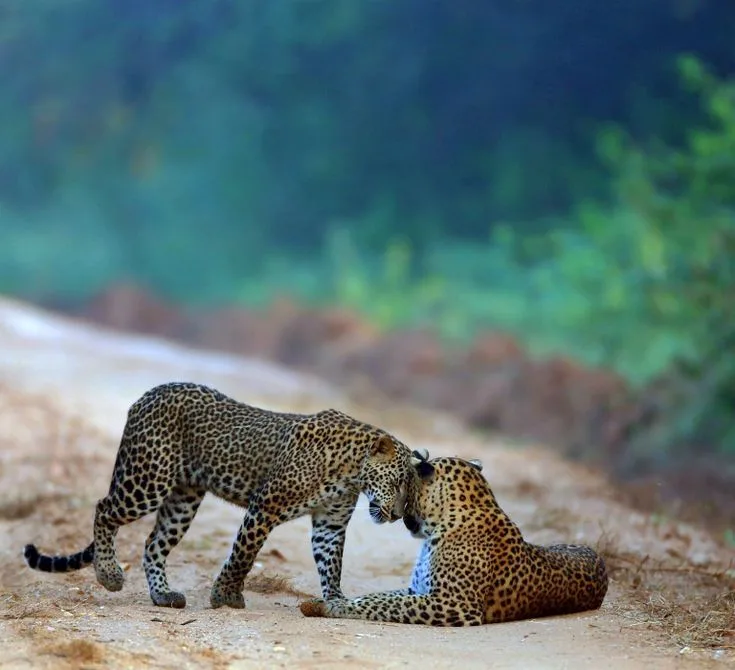
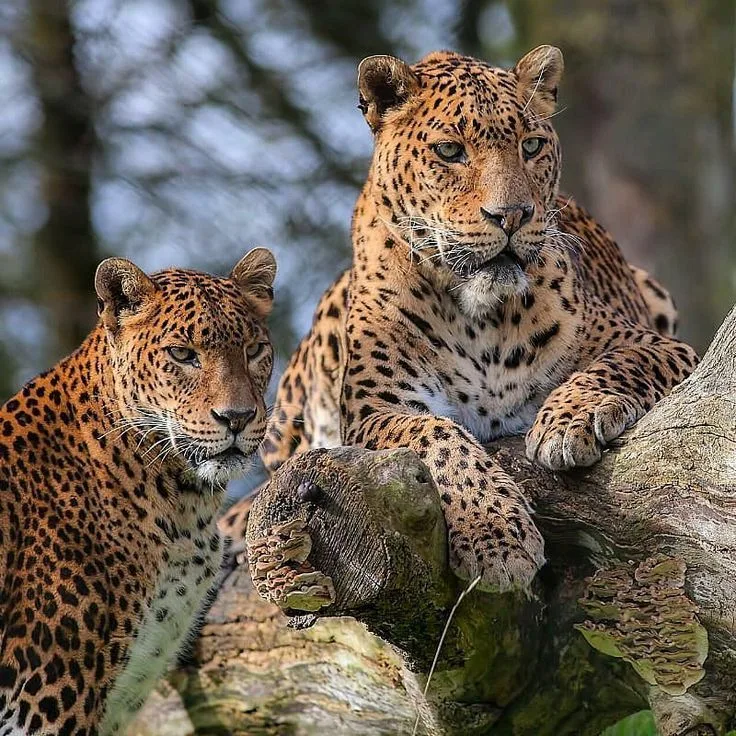
Yala National Park is a great place to take pictures of animals. The park has wide-open spaces and a lot of animals. Knowing where to take the best pictures makes your safari better.
Why Yala is the best place for photography
Clear views are possible in open terrain.
During the day, animals move around.
The light from outside stays strong.
The backgrounds look both clean and wild.
Best places to take pictures in Yala National Park
Boulders and rocky outcrops
Rocks are where leopards sleep.
High points make for dramatic angles.
This place looks best in the morning light.
Tanks and water holes
Elephants come together near water.
Birds land frequently.
Reflections improve composition.
Dry season offers best results.
Jeep tracks and open roads
Leopards walk along tracks.
Dust adds mood to photos.
Early morning creates soft light.
Forest edges
Animals emerge from shade.
Contrast improves subject focus.
Ideal for predator shots.
Scrubland and grasslands
Deer and buffalo appear here.
Wide shots work well.
Sunrise colors enhance scenes.
Lagoons and wetlands
Birdlife stays active.
Crocodiles bask near water.
Pelicans and storks offer action shots.
Best safari entrances for photography
Palatupana entrance
Best for leopard photography.
High traffic increases sightings.
Katagamuwa entrance
Best for elephants.
Less crowded routes.
Galge entrance
Quiet and remote.
Great for landscape shots.
Best time for photography in Yala
Morning safari
5:30 AM to 9:00 AM
Soft light
High animal activity
Afternoon safari
3:30 PM to 6:30 PM
Golden hour lighting
Silhouette opportunities
Photography tips for tourists
Use zoom lenses.
Avoid sudden movements.
Keep camera ready at all times.
Respect animal space.
Do not block roads.
Common photography mistakes
Shooting at midday
Using loud shutters
Crowding animals
Ignoring light direction
Conclusion
Yala National Park offers world-class photo spots. Rocks, water holes, and open tracks deliver strong compositions. With proper timing and patience, tourists capture unforgettable wildlife moments.